Writing a Novel with Confidence
by Admin
Posted on 27-08-2025 05:38 PM
Developing Your Concept
Developing a concept is the first step in writing a novel. This involves brainstorming ideas, creating characters, and building a plot. It's essential to take your time during this stage, as a well-developed concept will lay the foundation for a strong and engaging story. Start by asking yourself questions like what genre you want to write in, what themes you want to explore, and what kind of characters you want to feature. You can also draw inspiration from your own experiences, observations, and interests.
To develop your concept further, try creating a mind map or a list of ideas. This will help you to visualize your story and identify potential plot holes and areas for improvement. You can also write character profiles, outlining their motivations, goals, and backstories. This will help you to get to know your characters better and create more nuanced and believable personalities.

Creating a Writing Routine
Creating a writing routine is crucial for making progress on your novel. This involves setting aside dedicated time to write, creating a conducive writing environment, and establishing a daily word count goal. It's essential to be consistent and disciplined, as this will help you to stay focused and motivated. To achieve this, consider Writing a Novel with Confidence, which can help you build the habits and mindset necessary for success. Try to write at the same time every day, whether it's early in the morning, during your lunch break, or late at night. You can also join a writing group or find a writing buddy to provide support and accountability.
Overcoming Writer's Block
One of the biggest challenges that writers face is writer's block. This is a common phenomenon where you feel stuck or unable to write, often due to lack of inspiration, fear of failure, or perfectionism. To overcome writer's block, try taking a break and doing something else creative, like drawing or playing music. You can also try writing prompts or exercises to get your creative juices flowing again. Additionally, remind yourself that it's okay to write badly, and that you can always edit and revise your work later.
Building Your Story
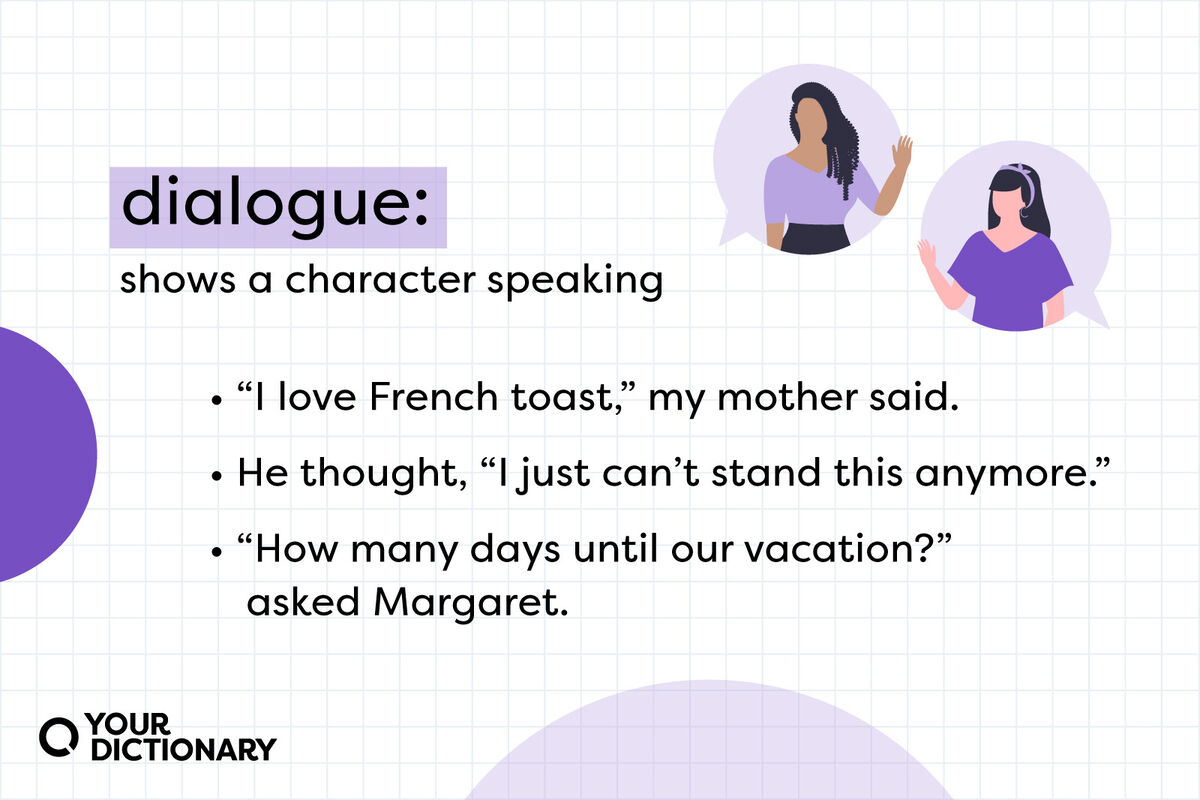
Building your story involves creating a narrative arc, developing your characters, and crafting a compelling plot. This is where you bring your concept to life, using descriptive language, dialogue, and pacing to create a immersive and engaging reading experience. It's essential to show, not tell, and to use active voice instead of passive voice. You can also use sensory details to bring your story to life, like what your characters see, hear, smell, taste, and feel.
Plot Twists and Turns
Plot twists and turns are essential for keeping your reader engaged and interested. This involves introducing unexpected events, surprises, or revelations that challenge your characters and advance the plot. Try to create unexpected connections between characters, or introduce new information that changes the reader's understanding of the story. You can also use cliffhangers or suspense to keep your reader hooked, making them wonder what will happen next.
Editing and Revising
Editing and revising are crucial stages of the writing process. This involves reviewing your manuscript, making revisions, and polishing your writing to create a professional and error-free final draft. It's essential to take a break from your manuscript before editing, as this will help you to approach your work with fresh eyes and a critical perspective. Try to read your manuscript out loud, or ask a beta reader or editor to provide feedback and suggestions.
Getting Feedback
Getting feedback is an essential part of the editing and revising process. This involves sharing your work with others, whether it's a writing group, a beta reader, or a professional editor. Try to be open-minded and receptive to feedback, using it to improve and refine your writing. You can also ask specific questions, like what worked well, what didn't, and what suggestions they have for improvement.
Publishing Your Novel
Publishing your novel is the final stage of the writing process. This involves deciding on a publishing route, whether it's traditional or self-publishing, and preparing your manuscript for submission. It's essential to research and understand the publishing industry, including the different types of publishing, the role of agents and editors, and the importance of marketing and promotion. You can also consider hiring a professional editor or formatter to help you prepare your manuscript for publication.
Marketing and Promotion
Marketing and promotion are essential for reaching your target audience and selling your book. This involves creating a marketing plan, using social media, and building an author platform. Try to identify your target audience, and tailor your marketing efforts to their interests and preferences. You can also use email marketing, blogging, and advertising to reach a wider audience and build your brand.
Conclusion
Writing a novel with confidence requires a combination of creativity, discipline, and perseverance. By developing a strong concept, creating a writing routine, building your story, editing and revising, publishing your novel, and marketing and promoting your work, you can create a compelling and engaging novel that resonates with readers. Remember to stay focused, motivated, and open to feedback, and don't be afraid to take risks and try new things.
FAQs
1) How do I overcome self-doubt and start writing my novel?
Begin with a small, low-pressure goal (e.g., 200 words a day). Create a simple outline of your protagonist, goal, stakes, and a rough ending. Treat the first draft as discovery, not perfection.
2) What does a confident writing routine look like?
Pick a consistent time and place, set a measurable target (time or words), and use a pre-session cue (tea, playlist, brief reread). Track sessions to build momentum and celebrate streaks.
3) How can I plan without killing creativity?
Use a “loose outline”: define the hook, midpoint twist, and climax, then leave scene-level details flexible. Keep a living notes doc to adjust as discoveries appear.
4) What should I do when I get stuck in the middle?
Revisit character goals and raise stakes; add a complication that forces a hard choice. Try a 10-minute freewrite from another character’s viewpoint to unlock direction.
5) How do I silence my inner critic while drafting?
Draft in “focus mode”: disable spelling/grammar checks, write with placeholders (TK for missing facts), and only allow edits during a separate, scheduled revision block.
6) What’s a simple revision checklist for confident edits?
Pass 1: structure (clear goal, stakes, escalating conflict). Pass 2: scene purpose and transitions. Pass 3: character consistency and voice. Pass 4: line-level clarity and clichés.
7) How do I get feedback without losing confidence?
Ask 2–3 trusted readers specific questions (clarity, pacing, character motives). Separate feedback review from drafting days, and make a prioritized fix list before revising.