Character Motivation
by Admin
Posted on 27-08-2025 05:38 PM

Understanding Character Motivation
Character motivation is the underlying drive that propels a character to act, react, and make decisions. It is the why behind their actions, and it is what gives their behavior meaning and purpose. Motivation can be intrinsic, meaning it comes from within the character, or extrinsic, meaning it comes from external factors. Intrinsic motivation is often more powerful, as it is driven by the character's desires, values, and beliefs. Extrinsic motivation, on the other hand, is driven by external factors such as rewards, punishments, or social pressure.
Types of Character Motivation
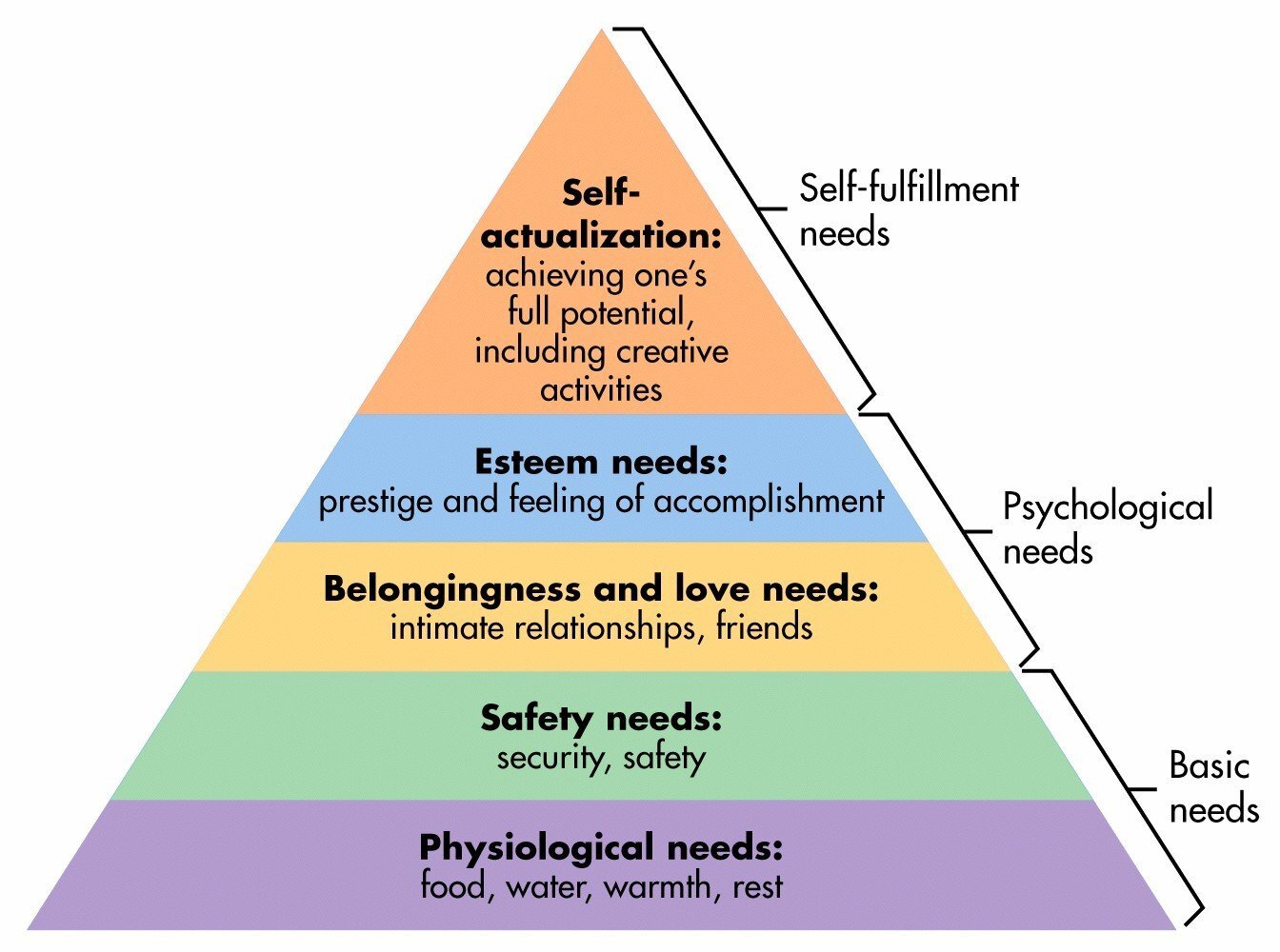
There are several types of character motivation, each with its own unique characteristics and drivers. Some of the most common types of motivation include: * Fear: Fear is a powerful motivator, as it can drive characters to act in ways that they might not normally act. Fear can be fear of loss, fear of failure, or fear of the unknown. * Love: Love is another powerful motivator, as it can drive characters to make sacrifices and take risks. Love can be romantic love, familial love, or love of a particular activity or hobby. * Ambition: Ambition is a motivator that drives characters to achieve their goals and succeed. Ambition can be driven by a desire for power, wealth, or recognition.
Creating Compelling Character Motivation
Creating compelling character motivation requires a deep understanding of your characters and their psychological makeup. For those looking to start their novel, understanding character motivation is crucial, and resources like https://fictionframeworks.com/blog/novel-templates/starting-your-first-novel-together can provide valuable guidance on crafting believable and engaging characters.
Understanding Your Character's Backstory
A character's backstory can be a rich source of motivation, as it can provide insight into their past experiences, relationships, and traumas. By understanding your character's backstory, you can create motivations that are rooted in their past and that drive their behavior in the present.
Identifying Your Character's Values and Beliefs
A character's values and beliefs can also be a powerful motivator, as they can drive their decisions and actions. By identifying your character's values and beliefs, you can create motivations that are consistent with their personality and worldview.
Using Conflict to Create Motivation
Conflict is a powerful tool for creating motivation, as it can drive characters to act and react in ways that they might not normally act. By creating conflict, you can create motivations that are driven by a desire to resolve the conflict and achieve a particular goal.
The Role of Motivation in Character Development
Motivation plays a crucial role in character development, as it helps to create characters that are well-rounded, nuanced, and engaging. By understanding a character's motivation, you can create characters that are believable and relatable, with their own unique strengths, weaknesses, and flaws. Motivation can also help to drive character growth and development, as characters learn and adapt in response to their motivations and the challenges they face.
Overcoming Common Challenges in Character Motivation
One of the biggest challenges in character motivation is creating motivations that are believable and consistent with the character's personality and backstory. Here are some tips for overcoming common challenges:
Avoiding Clichés and Stereotypes
Clichés and stereotypes can be a major obstacle in character motivation, as they can create characters that are one-dimensional and lacking in depth. By avoiding clichés and stereotypes, you can create characters that are unique and nuanced, with their own unique motivations and conflicts.
Creating Consistency
Consistency is key in character motivation, as it helps to create characters that are believable and relatable. By creating consistency in your character's motivations and actions, you can create characters that are well-rounded and engaging.
The Importance of Subtext in Character Motivation
Subtext is a powerful tool in character motivation, as it can help to create characters that are nuanced and complex. Subtext refers to the underlying emotions and motivations that drive a character's behavior, and it can be used to create characters that are multi-dimensional and interesting. By using subtext, you can create characters that are believable and relatable, with their own unique motivations and conflicts.
Conclusion
Character motivation is a crucial aspect of storytelling, as it drives the plot forward and helps to create believable and relatable characters. By understanding character motivation, you can create characters that are well-rounded, nuanced, and engaging, with their own unique strengths, weaknesses, and flaws. Whether you're a writer, actor, or director, understanding character motivation is essential for creating compelling characters and stories that resonate with audiences.
FAQs
What is character motivation?
Character motivation is the underlying drive that propels a character to act, react, and make decisions. It is the why behind their actions, and it is what gives their behavior meaning and purpose.
How do I create compelling character motivation?
To create compelling character motivation, you need to understand your character's backstory, values, and beliefs. You also need to use conflict to create motivation and avoid clichés and stereotypes.
What is the role of subtext in character motivation?
Subtext is a powerful tool in character motivation, as it can help to create characters that are nuanced and complex. Subtext refers to the underlying emotions and motivations that drive a character's behavior.
How do I avoid clichés and stereotypes in character motivation?
To avoid clichés and stereotypes, you need to create characters that are unique and nuanced, with their own unique motivations and conflicts. You also need to avoid using tired and overused tropes and conventions.
What is the importance of consistency in character motivation?
Consistency is key in character motivation, as it helps to create characters that are believable and relatable. By creating consistency in your character's motivations and actions, you can create characters that are well-rounded and engaging.