Character Relationships
by Admin
Posted on 27-08-2025 05:38 PM
Types of Character Relationships
Character relationships can be broadly categorized into several types, including romantic, familial, friendly, and antagonistic. Each type of relationship has its unique dynamics and characteristics, and understanding these can help writers create more nuanced and realistic interactions between characters. Romantic relationships, for instance, are often marked by intense emotions, passion, and conflict, while familial relationships may involve a sense of duty, loyalty, and responsibility. Friendly relationships, on the other hand, are typically characterized by mutual support, trust, and camaraderie.
Developing Character Relationships
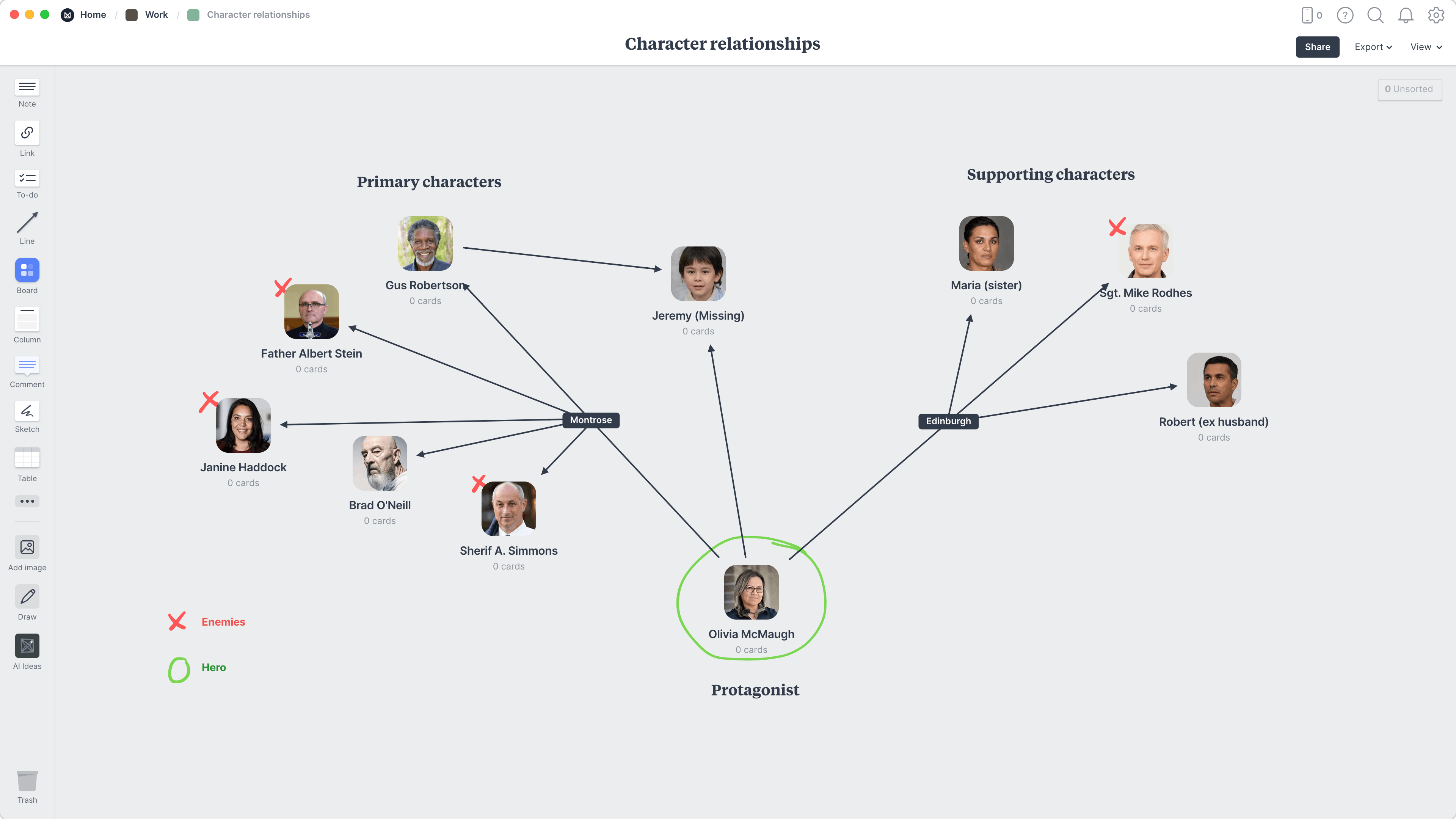
Developing character relationships is a complex process that requires careful consideration of several factors, including the characters' personalities, motivations, and backstories. Writers need to think about how their characters will interact with each other, how they'll conflict and resolve their differences, and how their relationships will evolve over time. One way to develop character relationships is to create a character map, which is a visual representation of the relationships between characters. This can help writers see how their characters are connected and identify potential areas of conflict and tension.
Conflict and Tension
Conflict and tension are essential elements of any story, and character relationships are often the source of these conflicts. When characters have different personalities, motivations, or goals, they may clash with each other, creating tension and conflict. This can be particularly challenging when characters have a close relationship, such as a romantic or familial one, as the conflict can be more emotionally intense and nuanced. Writers need to balance the level of conflict and tension in their story, making sure it's enough to create drama and interest but not so much that it becomes overwhelming or implausible.
The Importance of Subtext
Subtext is a crucial aspect of character relationships, as it refers to the underlying emotions, motivations, and desires that characters may not explicitly express. Subtext can add depth and complexity to character interactions, making them feel more realistic and nuanced. When characters have unspoken feelings or desires, it can create a sense of tension or unease, even if they're not explicitly stated. Writers can use subtext to hint at underlying conflicts or emotions, making the story more engaging and suspenseful.
Using Dialogue to Reveal Character Relationships
Dialogue is a powerful tool for revealing character relationships, as it can convey the tone, language, and emotional dynamics between characters. When writing dialogue, writers should consider the characters' personalities, motivations, and relationships, as well as the context and setting of the conversation. Dialogue can be used to reveal character traits, such as their sense of humor, values, or emotional intelligence, and it can also create tension or conflict between characters.
Using Body Language to Reveal Character Relationships
Body language is another important aspect of character relationships, as it can convey emotions, attitudes, and intentions without words. Writers can use body language to show how characters feel about each other, such as through physical touch, eye contact, or posture. Body language can also be used to create tension or conflict between characters, such as through aggressive or defensive postures.
Character Relationships in Different Genres
Character relationships can vary significantly depending on the genre of the story. In romance novels, for instance, the focus is often on the developing relationship between the protagonists, while in science fiction or fantasy stories, the relationships between characters may be more focused on the plot or action. In literary fiction, character relationships may be more nuanced and complex, exploring themes such as identity, morality, or social justice. Understanding the genre and its conventions can help writers craft character relationships that are tailored to the story's tone and themes, and for more information on this, you can visit https://fictionframeworks.com to learn more about creating compelling character relationships.
Common Mistakes in Character Relationships
When crafting character relationships, writers can make several common mistakes, such as creating relationships that feel forced or unnatural, or neglecting to develop the characters' emotional arcs. Writers may also rely too heavily on tropes or cliches, such as the "chosen one" or "love triangle," without adding their own unique twist or spin. Another mistake is to neglect the diversity and complexity of real-life relationships, such as by portraying characters as overly simplistic or one-dimensional.
Conclusion
Character relationships are a vital aspect of any story, and crafting them carefully can make or break the narrative. By understanding the different types of character relationships, developing them thoughtfully, and using techniques such as subtext and dialogue, writers can create nuanced and realistic interactions between characters. Whether you're writing a romance novel, a science fiction epic, or a literary masterpiece, character relationships are essential for creating a compelling and engaging story.
FAQs
What is the most important aspect of character relationships?
The most important aspect of character relationships is to create a sense of authenticity and realism, making sure the characters' interactions feel natural and believable.
How can I develop character relationships in my story?
You can develop character relationships by creating a character map, writing character profiles, and using techniques such as subtext and dialogue to reveal their emotions and motivations.
What are some common mistakes to avoid when crafting character relationships?
Common mistakes include creating relationships that feel forced or unnatural, neglecting to develop the characters' emotional arcs, and relying too heavily on tropes or cliches.
How can I use subtext to add depth to my character relationships?
You can use subtext by hinting at underlying emotions or motivations that characters may not explicitly express, creating a sense of tension or unease that adds depth and complexity to the story.
What is the role of body language in character relationships?
Body language can convey emotions, attitudes, and intentions without words, and can be used to show how characters feel about each other or create tension or conflict between them.
How do character relationships vary across different genres?
Character relationships can vary significantly depending on the genre, with romance novels focusing on the developing relationship between protagonists, science fiction or fantasy stories focusing on plot or action, and literary fiction exploring themes such as identity or morality.