Jankovic j, et al. , eds. Alzheimer disease and other dementias. In: bradley and daroff's neurology in clinical practice. 8th ed. Elsevier; 2022. Https://www. Clinicalkey. Com. Accessed sept. 21, 2022. Alzheimer's disease fact sheet. National institute on aging. Https://www. Nia. Nih. Gov/health/alzheimers-disease-fact-sheet. Accessed oct. 3, 2022. Livingston g, et al. Dementia prevention, intervention, and care: 2020 report of the lancet commission. The lancet. 2020; doi:10. 1016/s0140-6736(20)30367-6. Chen l, et al. Plasma tau proteins for the diagnosis of mild cognitive impairment and alzheimer's disease: a systematic review and meta-analysis. Frontiers in aging neuroscience. 2022; doi:10. 3389/fnagi. 2022. 942629. Dementia.
 World health organization.
Severe dementia due to Alzheimer's disease
The definition of dementia has been updated in the dsm-5 criteria. It is actually no longer termed dementia but is now called major neurocognitive disorder (mnd). However, due to the common use of the term dementia in society and medical literature, it will be referred to as both dementia and major neurocognitive disorder in this article. It is worth noting the limitations of using the term dementia, including its common association exclusively with older patients, and that it is often used synonymously with alzheimer disease.
Major neurocognitive disorder can affect younger individuals and does not always imply alzheimer disease as the etiology of cognitive decline.
https://scholar.google.com/scholar_case?case=2442806624228492516&q=%22memory+care%22&hl=en&as_sdt=6,33
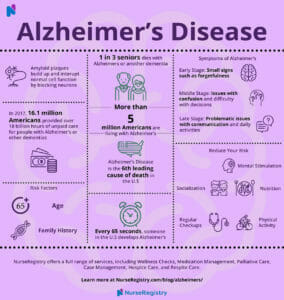
What is Alzheimer’s Disease?
The mini-mental state exam is a 30-point test used to measure your loved ones thinking ability, also known as their cognitive impairment. If you suspect that you or a loved one might be developing alzheimer’s disease or another dementia, the mini-mental state exam is a step toward making a diagnosis. The test is also used by researchers who study alzheimer’s to know a patient’s stage of dementia. It is the most widely used test for assessing dementia. The questions are assigned points depending on their answers. A low score on the mini-mental state exam does not mean there is a guarantee of dementia or alzheimers.
Caring for a person with alzheimer’s can have significant physical, emotional, and financial costs. The demands of day-to-day care, changes in family roles, and decisions about placement in a care facility can be difficult. Nia supports efforts to evaluate programs, strategies, approaches, and other research to improve the quality of care and life for those living with dementia and their caregivers. Becoming well-informed about the disease is one important long-term strategy. Programs that teach families about the various stages of alzheimer’s and about ways to deal with difficult behaviors and other caregiving challenges can help. Good coping skills, a strong support network, and respite care are other things that may help caregivers handle the stress of caring for a loved one with alzheimer’s.
Author(s): abstract alzheimer disease is the most common cause of dementia and the fifth leading cause of death in adults older than 65 years. The estimated total healthcare costs for the treatment of alzheimer disease in 2020 is estimated at $305 billion, with the cost expected to increase to more than $1 trillion as the population ages. Most of the direct costs of care for alzheimer disease are attributed to skilled nursing care, home healthcare, and hospice care. Indirect costs of care, including quality of life and informal caregiving, are likely underestimated and are associated with significant negative societal and personal burden.